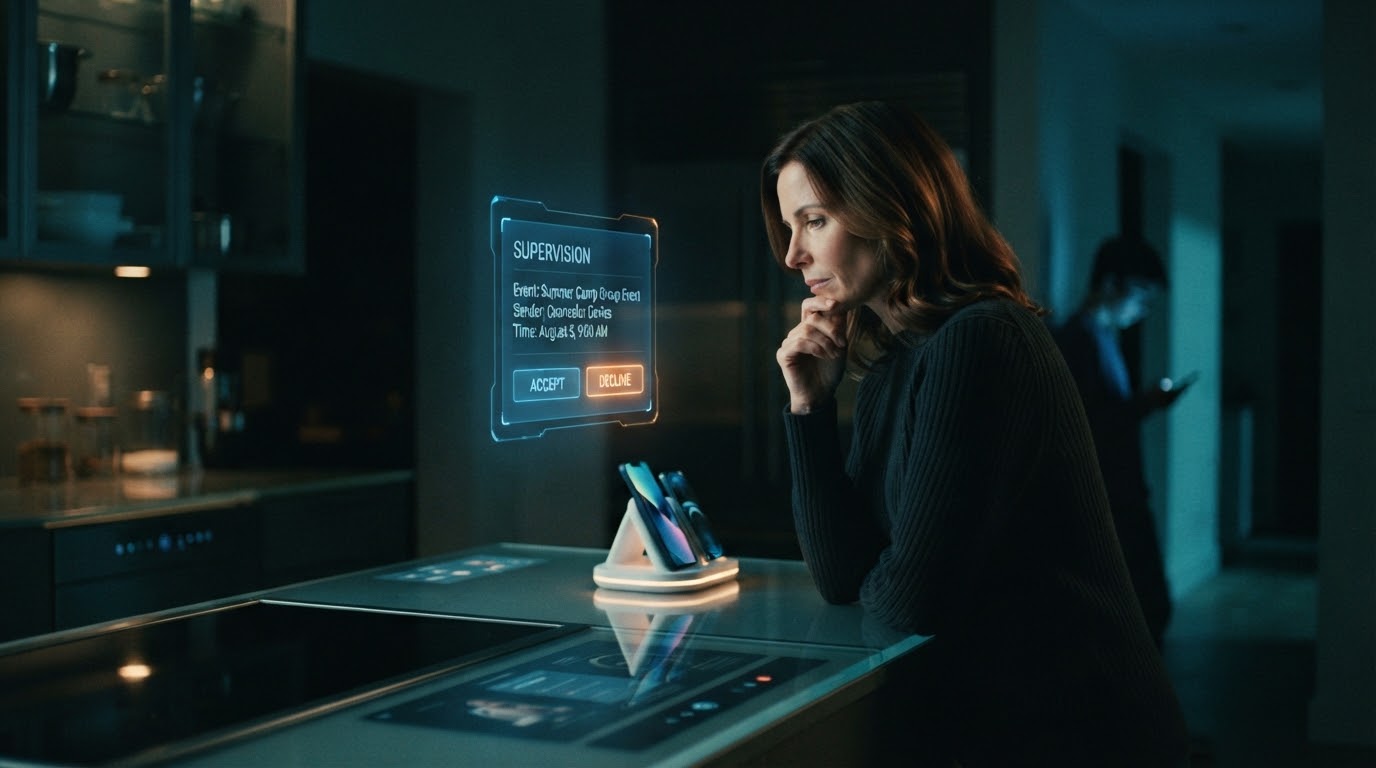
X finally has parental controls, and there’s a catch every parent should understand before they relax: your teen has to say yes. If they decline, nothing happens. That makes these tools a good fit for families that are already talking, and almost useless for the kid you’re actually worried about. Parenting online still means doing the work yourself.
What X shipped
The new supervision tools cover accounts for 13 to 17 year olds. A parent can see how much time their teen spends on X, set a daily limit, require approval for new followers, limit the For You feed to accounts the teen already follows, turn off sensitive media, filter words and choose who can message them. Parents can see which accounts their teen chats with, but not what they say. They can’t read messages, see searches or viewing history, post as their teen or log in to the account. Every change shows up in a log the teen can see, and supervision ends at 18.
To turn it on, the parent sends an invite and the teen accepts or declines it. Once linked, a teen can ask to end supervision, but the parent decides. X’s own pitch is that “parents get guardrails, not a window into their teen’s private life.”
Guardrails your teen opts into
I get the design. Teens deserve some privacy, and a tool that quietly reads every message would wreck trust fast. But a guardrail your kid can refuse to install is a conversation starter, not a safety system. The teen who accepts is usually the one who would have listened anyway. The one who’s hiding something declines, or opens a second account with an adult birthday, and the controls never see it.
Even the controls parents set themselves have holes. In October the Tech Transparency Project set up app store accounts as 13-year-olds and found apps that create fake nude images were still available to them, including on an Apple account with parental controls turned on. These tools help. They aren’t a lock.
What actually works
I’ve got a high schooler, and I’ve learned that nobody else is going to parent my kid’s phone for me. Not X, not Apple, not the school. So I treat platform controls as the last layer, not the first:
- Set it up together. Turn on X’s supervision with your teen in the room, and make accepting it part of the deal for having the app at all.
- Control the device, not just the app. Phone-level controls like Screen Time and Family Link cover every app, including the second account you don’t know about.
- Keep phones out of bedrooms at night. No setting beats a charger in the kitchen.
- Ask what they’re seeing, and keep asking. The only feed you can’t filter is the one they won’t tell you about.
X adding parental controls is a step forward, and every platform should have them. But a tool that runs on your teen’s consent can’t replace a parent who’s paying attention. Use it, and don’t mistake it for doing the job.
Sources
- X rolls out its first parental controls for teens aged 13 to 17, The Next Web, Nov 26, 2026
- X is finally getting robust parental controls to keep teens safe, Digital Trends, Nov 26, 2026
- US teens can access ‘nudify’ apps despite Apple and Google’s parental controls, report finds, The Guardian, Oct 19, 2026